Election Systems & Software (ES&S) | 2024-2026
Modernizing Universal Voting Systems for Accessibility & VVSG 2.0 Compliance
Overview
Led the UX modernization of two touchscreen Universal Voting Systems, conducting usability testing and compliance audits on legacy interfaces before redesigning information architecture, navigation, and layout systems to align with WCAG and VVSG 2.0 standards.
The initiative focused on improving voter clarity, accessibility, and confidence within certified, mission-critical hardware environments.
The Challenge
The legacy touchscreen systems lacked consistent hierarchy, clear navigation patterns, and full alignment with evolving VVSG 2.0 guidance. Accessibility gaps in contrast, typography, and interaction feedback created friction during ballot progression and review.
Because these systems operate within certified hardware environments, improvements had to enhance usability without disrupting regulated workflows or certification stability.
Scope of Ownership
Research & Validation (Legacy Systems)
Conducted task-based usability testing on legacy systems
Observed voter interaction patterns and friction points
Gathered structured qualitative feedback
Performed accessibility and VVSG 2.0 compliance evaluation
Identified hierarchy, navigation, and confirmation weaknesses
Full UX Redesign
Led complete information architecture and navigation redesign
Reworked ballot progression, review, and confirmation flows
Redesigned layouts to reinforce hierarchy and reduce cognitive load
Updated UI components, color systems, and typography to meet WCAG and VVSG 2.0
Partnered with engineering to guide implementation within certification constraints
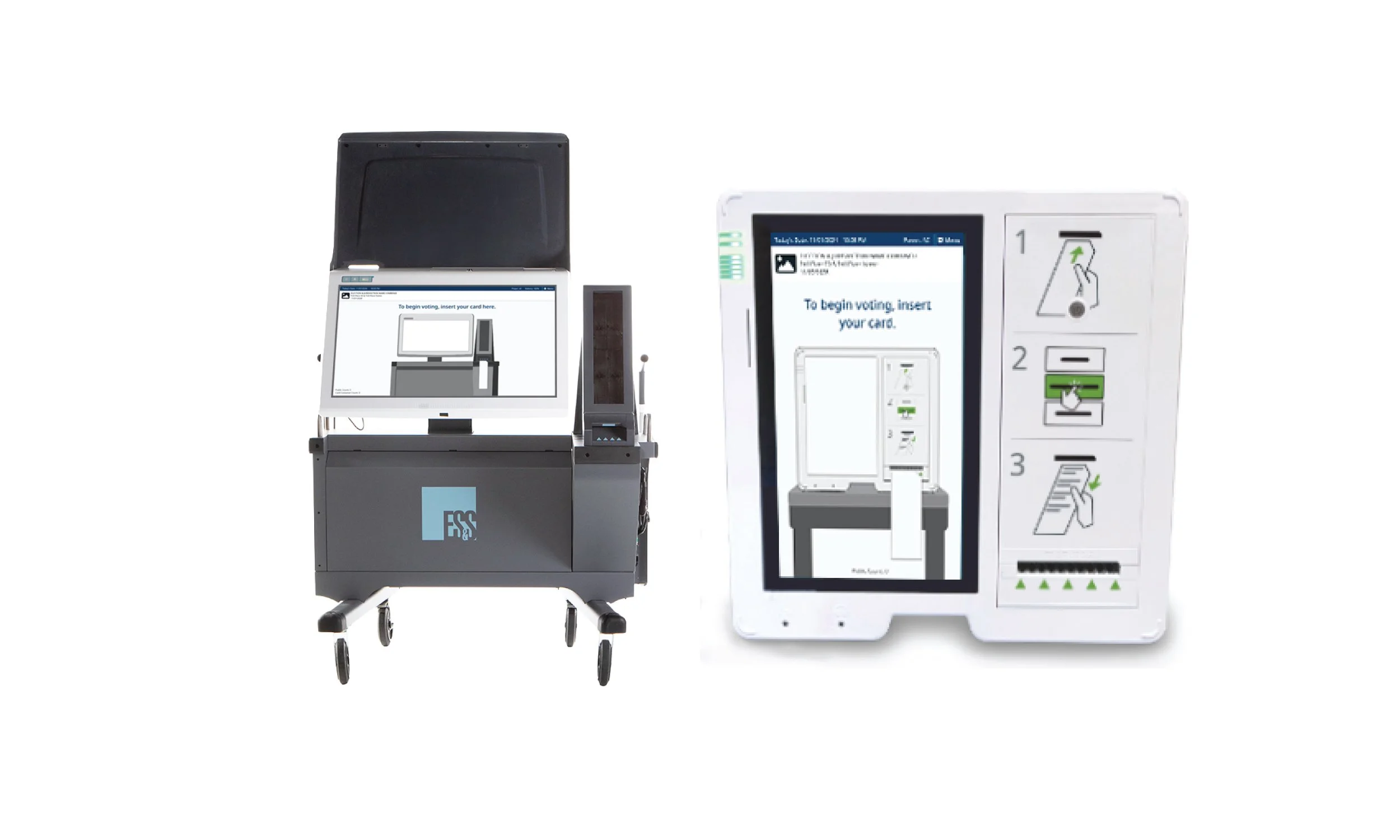
Due to the proprietary nature of this work, wireframes and screenshots of the full design process cannot be publicly displayed.
Research Insights
Usability testing on legacy equipment surfaced key issues:
Unclear ballot progression and review structure
Inconsistent interaction feedback and confirmation states
Readability challenges impacting voter confidence
Accessibility gaps in contrast and hierarchy
Friction between touch interaction and assistive technology flows
These findings informed a structural redesign focused on clarity, predictability, and compliance.
Accessibility & Compliance Strategy
Accessibility and VVSG 2.0 alignment were embedded at the architectural level.
The modernization established:
Contrast-compliant color systems
Accessible typography optimized for large-format touch screens
Standardized confirmation and error states
Clear ballot progression patterns
Focus management compatible with assistive technologies
Support for both touch interaction and the Universal Voting Console
By addressing accessibility systemically, the redesign strengthened independent voting support while reducing regulatory risk.
Structural & Design System Alignment
The touchscreen systems were aligned with unified design foundations established across supporting election software platforms.
Key updates included:
Scalable layout frameworks optimized for hardware screens
Standardized component behaviors across ballot workflows
Harmonized visual hierarchy reinforcing clarity and trust
Consistent navigation patterns aligned with VVSG principles
This created continuity between physical voting systems and digital election software environments.
Constraints & Tradeoffs
The modernization operated within significant constraints:
Certified hardware specifications
VVSG 2.0 regulatory requirements
Certification timelines limiting disruptive changes
Preservation of legally certified ballot workflows
Where full architectural shifts were not feasible, phased improvements balanced usability gains with certification stability.
Outcomes & Impact
Delivered full IA and navigation redesign for two touchscreen voting systems
Improved ballot progression clarity and review confidence
Strengthened accessibility for both touch and assistive technology users
Reduced cognitive friction through clearer hierarchy and feedback
Aligned physical voting systems with unified, compliant design standards
Established scalable foundations for future certified development
This initiative transformed legacy voting interfaces into structured, accessible systems that better support voter confidence and regulatory alignment.